


Wire and Cable Market Share Rising for Leading Manufacturers of High-Quality Industrial and Residential Cables
As Per Market Research Future, the Wire and Cable Market Share is becoming increasingly competitive, with key players focusing on innovation and customer satisfaction to capture a larger share. The dynamics of market share are influenced by factors such as product quality, brand reputation, and pricing strategies. Leading manufacturers are investing in research and development to introduce new and improved wire and cable solutions that meet the evolving needs of consumers. As the demand for high-quality wiring systems continues to rise, companies that prioritize innovation will likely gain a competitive edge.
The wire and cable market is experiencing dynamic growth as global demand for electricity, telecommunication infrastructure, and digital connectivity continues to rise. Wire and cable products are essential for power transmission, communication networks, and industrial and residential applications, encompassing electrical wiring solutions, industrial cables, power cables, communication cables, and specialty wires. The market is driven by the increasing need for renewable energy infrastructure, smart grids, urban development, and rapid industrialization. Manufacturers are focusing on developing high-performance, durable, and flexible wiring solutions to meet evolving customer demands, ensuring reliability, safety, and efficiency across various sectors.
Market Drivers and Growth Factors
The growth of the wire and cable market is primarily driven by increasing electricity demand, infrastructural development, and the rapid expansion of data centers and telecommunication networks. The adoption of electric vehicles, renewable energy projects, and smart city initiatives further contributes to market growth. Stringent safety regulations and standards for electrical installations are prompting manufacturers to invest in high-quality materials and advanced production techniques. Additionally, the shift toward automation, digitization, and IoT-based solutions in industrial and residential applications increases the demand for specialized cables with high conductivity, heat resistance, and low signal interference, supporting long-term market expansion.
Key Segments and Applications
The wire and cable market can be segmented based on product type, application, and end-use industry. Product types include power cables, control cables, instrumentation cables, telecommunication cables, and specialty wires. Power cables are widely used in energy distribution networks, whereas control and instrumentation cables find applications in industrial automation, manufacturing plants, and machinery systems. Telecommunication cables support data transmission, internet connectivity, and networking, while specialty wires serve niche applications in automotive, aerospace, and renewable energy sectors. End-use industries include residential, commercial, industrial, and infrastructure projects, where the demand for safe, reliable, and efficient wiring solutions is critical.
Regional Insights
Geographically, the wire and cable market demonstrates varied growth patterns across North America, Europe, Asia Pacific, and the Middle East. Asia Pacific dominates due to rapid industrialization, urbanization, and significant investments in power and telecom infrastructure in countries such as China, India, and Japan. North America witnesses steady growth driven by the expansion of renewable energy projects, industrial automation, and residential construction. Europe focuses on energy-efficient wiring solutions, renewable energy integration, and modernization of power grids. The Middle East and Africa are gradually expanding their infrastructure projects, including smart city development and energy transmission networks, contributing to the increasing demand for advanced wire and cable solutions.
Technological Advancements and Trends
The wire and cable market is evolving with innovations in materials, design, and manufacturing processes. Developments include high-performance copper and aluminum cables, fiber optic cables for high-speed data transmission, flame-retardant and low-smoke cables for safety, and flexible wiring solutions for industrial applications. Smart cables with embedded sensors enable real-time monitoring of electrical performance, preventing failures and optimizing maintenance. The growing focus on energy efficiency, safety, and high-speed data transmission is influencing the design and adoption of advanced wire and cable solutions across industries, enhancing reliability and operational efficiency in critical infrastructure projects.
Competitive Landscape
The wire and cable market is highly competitive, with key players adopting strategies such as product innovation, mergers, acquisitions, and global expansion. Companies are investing in research and development to deliver high-performance, safe, and energy-efficient solutions that comply with international standards. Strategic partnerships with contractors, distributors, and industrial players help expand market presence and ensure timely delivery of specialized products. Continuous product innovation, customization options, and quality assurance are critical factors shaping the competitive landscape, enabling companies to differentiate themselves and address the growing demand for reliable wiring solutions across multiple sectors.
Future Outlook
The future of the wire and cable market appears promising, supported by rising energy demand, expansion of digital infrastructure, and growing industrialization. The increasing adoption of electric vehicles, renewable energy systems, and smart grids will drive demand for specialized power and communication cables. Emerging markets in Asia Pacific, the Middle East, and Africa offer significant growth opportunities due to infrastructure development and urbanization. Advanced technologies in fiber optics, high-capacity power cables, and energy-efficient wiring solutions will continue to enhance market prospects. Overall, the market’s trajectory is influenced by technological innovation, regulatory compliance, and increasing connectivity requirements across industrial, commercial, and residential sectors.
FAQs
Q1: What are the major applications of wire and cable products?
A1: Major applications include power transmission, telecommunications, industrial automation, residential and commercial wiring, and specialty applications in automotive and aerospace sectors.
Q2: Which regions are driving growth in the wire and cable market?
A2: Asia Pacific, North America, and Europe are key regions driving growth due to urbanization, industrialization, renewable energy projects, and telecom expansion.
Q3: How is technology influencing wire and cable demand?
A3: Innovations in fiber optics, smart cables, energy-efficient solutions, and high-performance materials improve reliability, safety, and operational efficiency, boosting market adoption.
More Trending Reports Industrial Automation Equipment Market Report by Market Research Future
Catégories
Lire la suite
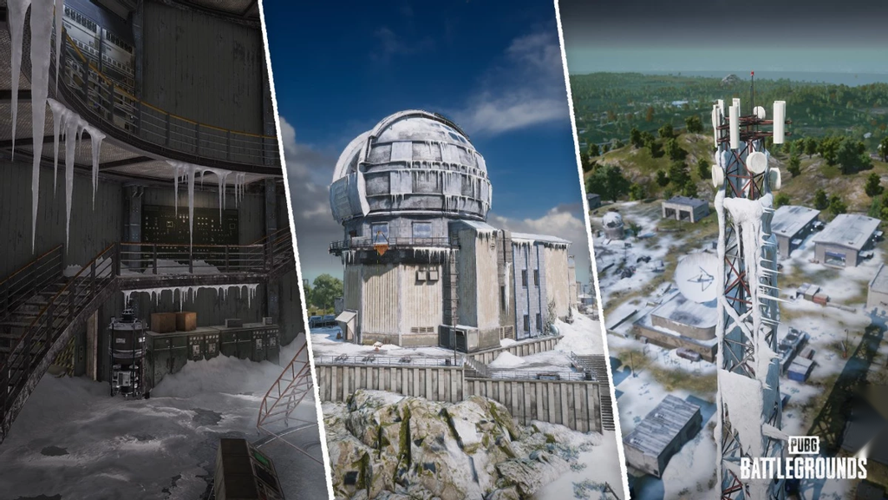
Разработчики PUBG: Battlegrounds анонсировали новое масштабное обновление под названием Erangel: Subzero, которое переворачивает классическое поле боя с ног на голову. В результате таинственной катастрофы остров покрыт слоем жесткого льда и снега, создавая непростые условия для выживания. Изначально происшествие связано с неудачным экспериментом корпорации Tythonic, в ходе которого спутники...
Pokémon TCG Mega Rising Missions The latest addition to the Pokémon TCG Pocket series is the B series expansions, beginning with the Mega Rising (B1) set. This new release includes three booster packs, each spotlighting powerful Mega Evolutions of Gyarados, Blaziken, and Altaria. Fans can look forward to an array of themed collections and hidden secret missions woven throughout...

Am 10. Januar 2024 um 3:30 Uhr PT / 6:30 Uhr ET können Fans ein exklusives Livestream-Event von Hoyoverse erleben, das sich ganz um Zenless Zone Zero dreht. Während des Streams diskutieren Entwicklerteam-Mitglieder die neuesten Inhalte, darunter spannende Story-Quests, neue Charaktere und aufregende Events, die das Spielerlebnis deutlich bereichern sollen. Das Event ist live auf...

Riot Games a connu une année exceptionnelle avec des revenus records issus de la scène Valorant, notamment lors de la tournée des champions 2025. La société a annoncé avoir redistribué plus de 105 millions de dollars, soit environ 98,5 millions d’euros, aux équipes partenaires, un chiffre qui dépasse presque le double de...

Since its debut on October 1st, Call of Duty: Mobile has swiftly established itself as a major player in the mobile gaming arena. Despite unexpected changes like the sudden removal of controller support, the game’s popularity shows no signs of waning. It has rapidly climbed the charts, surpassing well-known competitors such as Fortnite and PUBG Mobile. Industry analytics firm Sensor...