

How Fast Do Nodes Level Up in Ashes of Creation? A Practical Guide
What Are Nodes and Why Do They Matter?
Nodes are essentially settlements that grow and change depending on player activity. Each node starts small but can evolve into larger, more complex settlements that unlock content, crafting opportunities, housing, and more. In general, most players focus on interacting with nearby nodes, as these provide access to resources, quests, and social hubs.
Nodes are classified into stages. Early on, the system was designed with six stages: Outpost, Hamlet, Village, Town, City, and Metropolis. However, through testing and development, the team realized that some stages didn’t fit the gameplay flow naturally. Specifically, the City stage felt like just a larger version of Town or Metropolis without adding unique gameplay elements.
Recent Changes to Node Stages
According to Steven Sharif, the game’s creative director, the development team decided to simplify node progression. Now, nodes advance from:
-
Village → Town → Metropolis
The City stage has been removed to streamline progression and make the transition between stages feel meaningful. This change also impacts the pace of node growth and how resources, quests, and player influence are distributed across the map.
For most players, this means that the jump from Town to Metropolis is more significant and noticeable. Metropolises offer unique opportunities for commerce, large-scale social activities, and node-specific content, so investing time in advancing a node can be highly rewarding.
How Quickly Can a Node Grow?
A common question among players is how long it takes to reach a high-level node. Steven Sharif mentioned that while the system is still being fine-tuned, players can generally expect that within a day or two of server opening, there will be at least one stage three (Metropolis) node somewhere on the map.
In practice, this depends heavily on player activity. Nodes grow based on contributions such as:
-
Completing quests within the node
-
Gathering and providing resources
-
Participating in node events or sieges
-
Engaging with local economies
Most players tend to focus on nodes that are already growing quickly, as contributing there has visible effects and benefits. However, some players prefer supporting smaller nodes to help them reach Metropolis status, which can create strategic advantages, such as influence over resource distribution or political roles within the node.
Node Specializations and Infrastructure
As nodes progress, they unlock various specializations and building infrastructures. Specializations define the character of the node and its offerings. For example, a node specializing in crafting will attract crafters and provide enhanced production bonuses, while a combat-focused node might provide better PvP zones and defensive structures.
Infrastructure refers to the buildings and services available in the node. At the Village stage, the infrastructure is minimal—basic shops and crafting stations. As the node grows to Town and eventually Metropolis, more advanced buildings become available. These include housing, marketplaces, guild halls, and special landmarks.
Most players find that participating in the development of a node can significantly enhance their personal gameplay experience. By contributing resources or completing tasks, you directly affect the type of services and opportunities available in the node.
Community Behavior Around Nodes
In general, players approach nodes based on their immediate goals. Some common behaviors observed during testing include:
-
Prioritizing nodes with fast growth: Players often flock to nodes that are close to advancing, creating a positive feedback loop where popular nodes continue growing rapidly.
-
Strategic positioning: Some players contribute to smaller or more isolated nodes to gain political or economic advantages.
-
Resource trading and crafting: Metropolis nodes often become central hubs for high-end crafting and trading, attracting experienced players.
It’s worth noting that the node system also indirectly encourages social interaction. Joining a guild or coordinating with other players to advance a node can be as important as combat or exploration.
Tips for Engaging with Node Progression
-
Track node stages: Most players keep an eye on nearby nodes to see which are close to advancing. Contributing at the right time ensures your effort has the most impact.
-
Balance contribution and reward: Focus on nodes where your efforts are noticeable, but also consider long-term benefits like specialization bonuses or housing.
-
Coordinate with others: Advancing a node quickly often requires group effort. Guilds or informal player groups can make this more efficient.
-
Plan resource usage: Contributing to node growth can consume significant resources, so managing your inventory and gathering efficiently is important.
-
Stay informed about safe transactions: While in-game contributions are key, some players also look for a safe place to buy AoC gold U4N to supplement their in-game resources. Always be careful and ensure any transactions are secure.
Node progression in Ashes of Creation is more than just a leveling system for settlements—it shapes the entire gameplay experience. Understanding how nodes grow, how stages have been adjusted, and how the community interacts with these systems can help you make smarter decisions and enjoy the game more fully.
The recent simplification of stages from Village → Town → Metropolis makes progression more meaningful and easier to follow, while Metropolises remain the pinnacle of social, economic, and strategic gameplay. Most players who engage with the node system actively find it rewarding and central to their experience in the game world.
Catégories
Lire la suite
S8UL, a well-known esports organization, has expanded its presence by acquiring the Free Fire Max team from Team Elite. This strategic move brings together a mix of seasoned professionals and promising newcomers, signaling a fresh chapter for the team. Leading the roster are two highly recognized players, Pahadi Gaming and MrJay, both of whom have established themselves as prominent figures in...

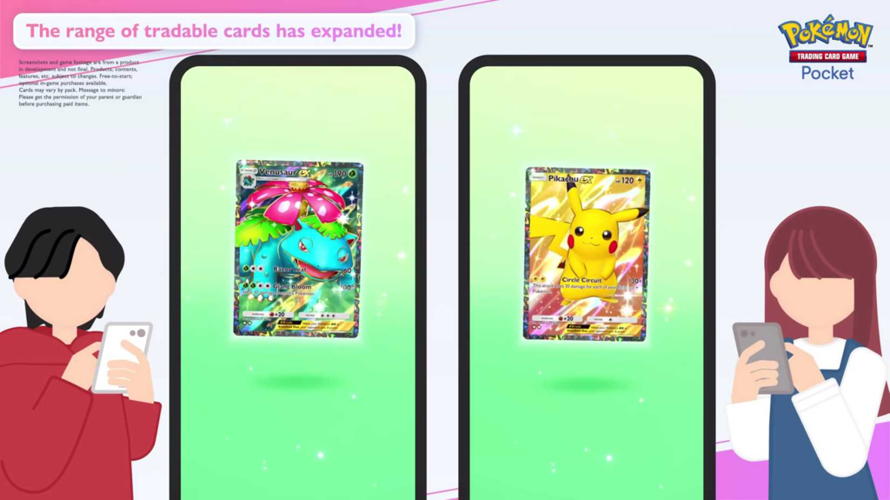
As Pokémon TCG Pocket approaches its one-year milestone, the developers are gearing up to introduce exciting updates to enhance the gameplay experience. Among these improvements, the focus is on the trading system, which is set to become more inclusive by allowing players to exchange even rarer cards than before. Although trading is a core aspect implied by the game's name, this feature...
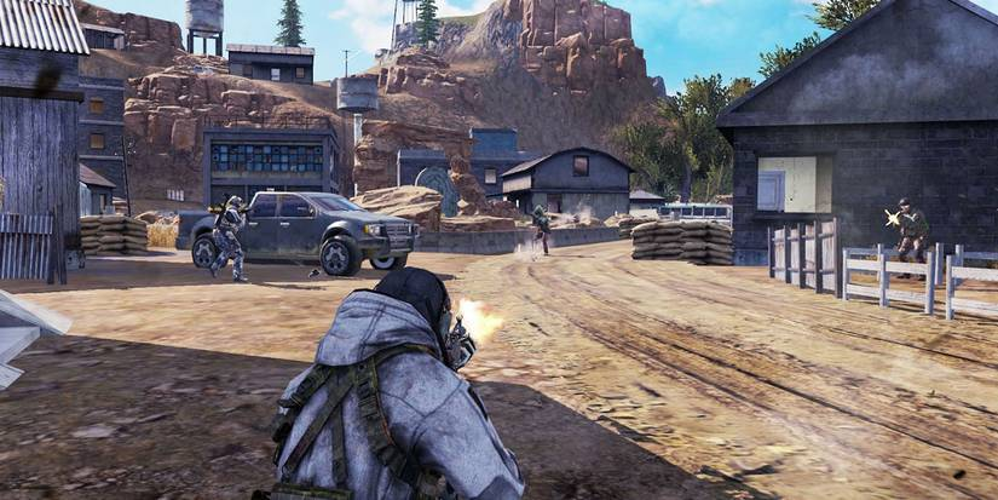
Call of Duty Mobile Review Currently, fans of the Call of Duty series are eagerly anticipating the launch of the upcoming Modern Warfare installment, which aims to revisit the franchise’s roots with a gripping campaign, enhanced realism in multiplayer matches, and the return of the beloved Spec Ops mode. Until then, players might find it worthwhile to explore the recently released Call of...
Snow Leopard's release has unveiled a series of frustrating glitches, with users encountering roadblocks even when trying to report issues directly to Apple. The most severe bug involves the guest account functionality, which mistakenly erases primary user accounts and their data upon logout, leaving many upgrade victims in a state of data loss. This core problem branches out into other...

Predictions Review Summary Looking back at our predictions from the end of 2015 for the year ahead, it’s interesting to see how our forecasts held up. We often aim for bold claims to spice things up, and sometimes that makes for a more entertaining review of what was right or wrong. One prediction was that the global subscription numbers for MMOs would decline further in 2016, with World...