


India E-Bike Market Size Soars as Sustainable Mobility Gains Momentum Nationwide
The India E-Bike market size is witnessing exponential growth as electric two-wheelers become a core part of India’s clean mobility agenda. With cities grappling with pollution, rising fuel costs, and an increasing focus on sustainable transport solutions, e-bikes have rapidly emerged as a viable and affordable option. More consumers—commuters, delivery riders, and environmentally conscious individuals—are opting for electric bicycles and scooters, driving demand across urban and rural India.
Driving Forces Behind the India E-Bike Boom
Several key factors are fueling the surge in India’s electric two-wheeler market. First is environmental consciousness: with air quality concerns in major cities and a growing awareness of climate change, many Indians are choosing e-bikes over petrol-powered vehicles. Second, economic incentives are available through government policies, subsidies, and tax benefits, which make electric bikes more affordable.
Third, infrastructure improvements have lent momentum: better charging networks, both public and private, are encouraging adoption. Fourth, fuel price volatility continues to push people toward electrified transport. Plus, faster battery technology and reduced costs of battery packs have made e-bikes more reliable and accessible than ever before.
Market Landscape: Key Segments & Trends
The India e-bike market covers a broad spectrum of models, ranging from lightweight pedal-assisted electric bicycles to high-power electric scooters designed for daily commuting or delivery services. The affordability and versatility of pedal-assisted bikes make them especially popular in suburban and rural areas, while high-performance e-scooters are gaining ground in metro cities.
Another significant trend is the rise of commercial usage: food delivery firms, courier services, and fleet operators are opting for electric two-wheelers to cut operating costs and reduce emissions. This has fueled demand for rugged, high-range scooters capable of supporting heavy use throughout the day.
Battery innovations are also reshaping the market. Lithium-ion batteries are becoming more cost-effective, more energy-dense, and easier to integrate, leading to lighter and more efficient bikes. Swappable battery systems are gaining popularity too, offering quick turnaround and flexibility for riders who cannot afford long charging times.
Competitive Landscape & Key Players
Several domestic and international manufacturers are vying for a share of India’s burgeoning e-bike market. Homegrown brands offer affordable models tailored for the Indian consumer, while global players bring cutting-edge battery technology and premium design. Many companies are collaborating with local partners to manufacture or assemble e-bikes in India, thereby avoiding import duties and lowering prices.
Retail and service networks are also expanding rapidly. New showrooms, service centers, and charging points are springing up in tier-1 and tier-2 cities. This is not only building consumer trust, but it is also powering long-term adoption by making maintenance and charging easier to access.
Challenges to Watch
Despite the strong momentum, a few challenges remain. Charging infrastructure is still uneven across remote and rural areas, which can deter potential buyers. Battery swapping stations are growing in number, but they aren’t yet available ubiquitously.
Upfront costs for e-bikes remain higher than traditional petrol scooters, though total cost of ownership is lower over time. Consumer financing, leasing models, and loan schemes can help bridge this gap, but they are not widely accessible at present. Additionally, inconsistent regulations across states can slow down market expansion, because different subsidy schemes, registration norms, and EV policies create regional complexity.
Future Outlook: Charging Ahead
Looking ahead, the India e-bike market is poised for continued growth. As battery prices fall and battery-range improves, more people will find e-bikes a practical alternative for daily commuting and personal mobility. Government support through favorable regulations, incentives, and infrastructure investments will further accelerate adoption.
Moreover, smart mobility integration—including connected e-bikes, IoT-enabled battery management, and app-based ride-sharing—will reshape how India thinks about two-wheeler transportation. Fleet operators and commercial buyers are likely to drive large-scale demand, especially if swappable batteries and fast-charging options proliferate.
The rise in rural demand could also be a game changer. With rising rural incomes and increasing awareness, electric bicycles could replace petrol scooters in village and small-town markets, making sustainable mobility truly inclusive and national in scope.
FAQs
1. Why is the India e-bike market growing so quickly?
It’s driven by environmental awareness, rising fuel prices, government support, and better battery technology.
2. What kinds of e-bikes are most popular in India?
Both pedal-assist electric bicycles and high-power e-scooters are popular: the former in suburban/rural areas, the latter in cities.
3. What are the main challenges for e-bike adoption in India?
Charging station availability in rural areas, high upfront cost, and uneven regional regulatory policies remain barriers.
More Related Report
Automotive Side Window Sunshades Market Size
Catégories
Lire la suite
Lan Yan: Originaire du paisible vallon de Chenyun, Lan Yan est une experte en rotin et possède également des compétences en arts qimen. Son mode de vie simple contraste avec ses talents remarquables, faisant d’elle une figure à la fois humble et puissante. Son quotidien consiste à arpenter les montagnes en toute sérénité,...

Drone Parts Optimization drone parts In the intense world of Last War, tactical drones serve as indispensable assets that bolster both attack and defense strategies. Upgrading these drones is crucial to maximize their potential, and drone parts are the primary materials needed for this purpose. These parts, alongside combat data, are vital for progressing your drone’s level and unlocking...

Votre pseudonyme en jeu constitue un élément essentiel de votre identité virtuelle, et la modification de votre nom dans Valorant vous offre la possibilité de le personnaliser ou de le mettre à jour selon vos envies. Que vous souhaitiez repartir à zéro ou adopter une image plus stratégique, Riot Games facilite grandement cette...

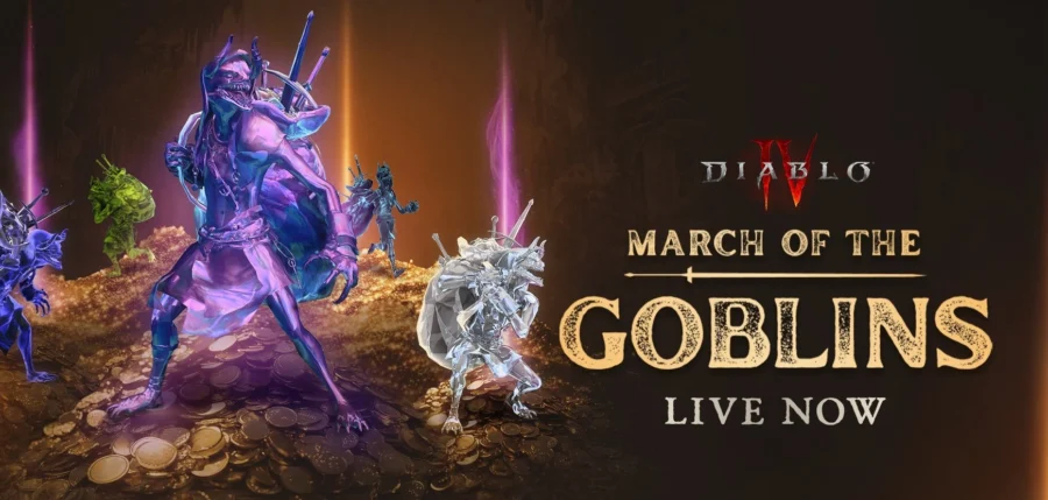
Season 7, themed the "Season of Witchcraft," has been ongoing for a while now. Throughout this period, the Maxroll team has been diligently updating our build guides to keep them current and useful for players. Recently, Blizzard revealed the launch of the latest update, patch 2.1.3, for Diablo 4. Alongside this, the exciting "March of the Goblins" event has also gone live, adding fresh content...
The harsh environment of Arrakis has long been marred by the presence of cheaters and griefers, impacting both PvE and economic stability within Dune: Awakening. Players have voiced persistent concerns over disruptive behavior and exploits, which threaten the integrity of the game experience. Recently, however, there has been a significant shift as a widespread ban initiative has commenced....