


GPS Tracking Software
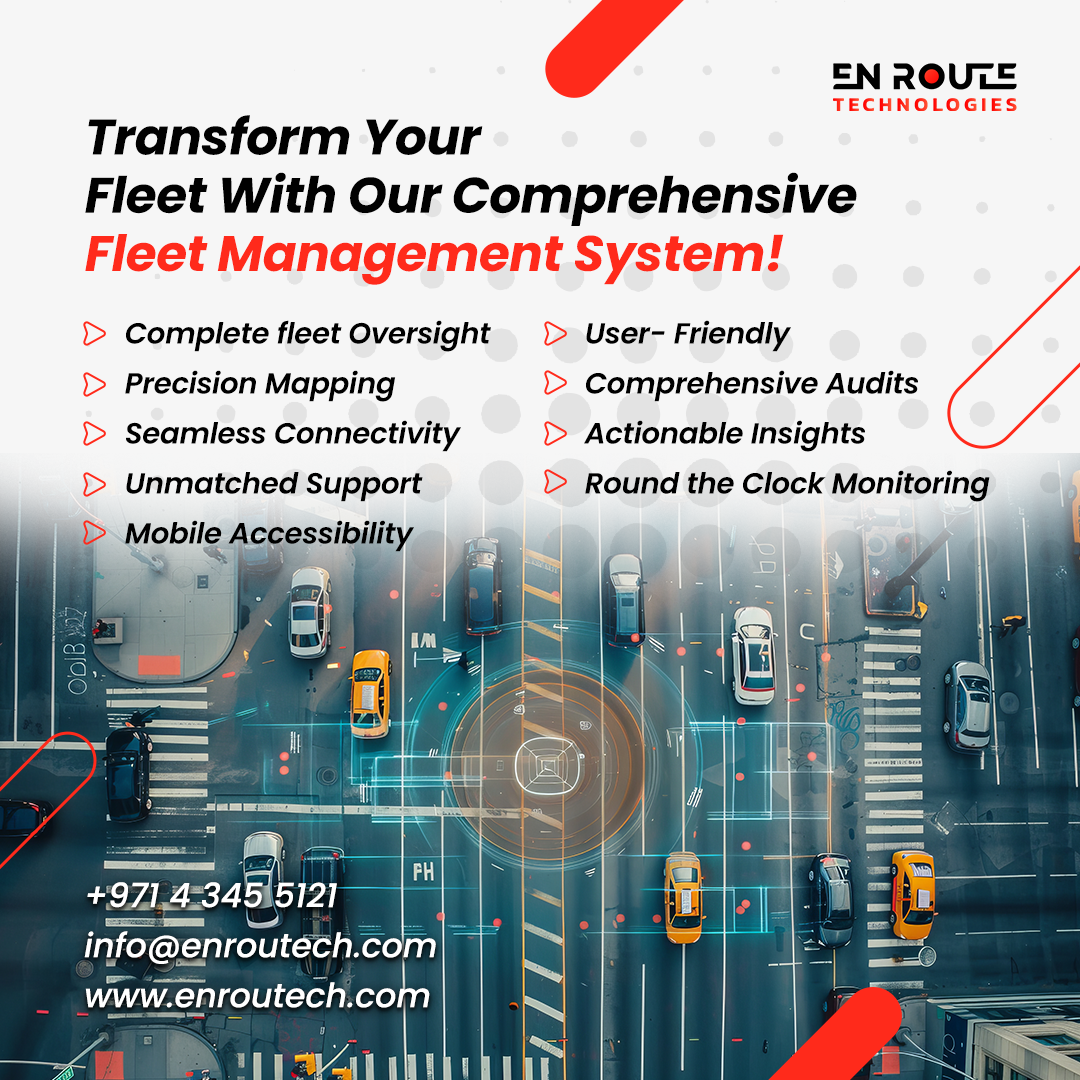
How Advanced GPS Tracking Solutions Are Revolutionizing Modern Fleet Management
In today’s competitive business landscape, fleet-based companies must operate with maximum efficiency, accuracy, and accountability. Traditional fleet monitoring methods are no longer sufficient for managing vehicles, ensuring safety, and reducing operational costs. This is why advanced GPS Tracking Software has become a critical tool for modern fleet operations. By providing real-time visibility, intelligent analytics, and automated reporting, GPS tracking empowers businesses to run smarter, safer, and more productive fleets.
From logistics companies to delivery services, rental fleets, and service providers, businesses across the UAE and globally are adopting innovative tracking tools to enhance performance. When combined with automation and cloud-based fleet technologies, GPS tracking helps organizations improve security, driver productivity, and fuel efficiency while reducing operational waste.
Below is a deep dive into how modern tracking solutions reshape fleet management and help businesses make data-driven decisions.
1. Real-Time Tracking for Complete Operational Control
Real-time tracking is the foundation of modern fleet operations. With live updates on vehicle position, speed, and driver behavior, managers gain full transparency and control over daily activities. Real-time insights help identify route deviations, detect unauthorized stops, and respond instantly during emergencies.
This level of visibility helps companies improve service accuracy, manage time-sensitive deliveries, and enhance customer satisfaction. With the growing demand for punctual operations in industries like e-commerce, logistics, and on-demand services, live tracking has become more important than ever.
2. Smarter Routing and Fuel Optimization
Fuel is one of the highest operational expenses for any fleet. Intelligent route planning powered by GPS tools significantly reduces fuel waste by identifying shorter, faster, and more efficient routes. Optimized routing contributes to fewer delays, reduced idle time, and lower overall fuel consumption.
Integrating a professional Fleet Management System allows managers to automate dispatching, plan optimized routes, and track real-time fuel usage. This ensures that drivers follow the most efficient paths, resulting in cost savings and improved delivery timelines.
GPS tracking also helps identify patterns like harsh acceleration, excessive idling, or frequent detours — all of which lead to increased fuel consumption. By managing these behaviors, businesses can save thousands annually.
3. Enhanced Maintenance Through Predictive Monitoring
Vehicle maintenance is critical for ensuring safety, reliability, and operational performance. Unexpected breakdowns or mechanical failures can disrupt schedules and increase repair costs. This is where GPS-enabled monitoring and Fleet maintenance tools prove invaluable.
Predictive maintenance uses real-time data to track engine diagnostics, mileage, fuel usage, and equipment performance. The system alerts managers before problems escalate, helping avoid costly repairs or downtime.
Benefits include:
-
Fewer mechanical failures
-
Lower long-term repair costs
-
Extended vehicle life
-
Better compliance with safety standards
Predictive analytics ultimately reduces fleet downtime and increases operational efficiency.
4. Stronger Security With Vehicle Tracking Technologies
Fleet vehicles are valuable assets, and theft or misuse can lead to major financial losses. Using an advanced Car Tracker enhances fleet security by providing real-time alerts for unauthorized movement, tampering, or towing.
Geofencing adds an extra layer of security by creating virtual boundaries. Whenever a vehicle enters or exits a restricted area, the system notifies the manager instantly.
Many businesses in the UAE now rely on advanced car tracker in Dubai to maintain high-level security for their vehicles. These trackers help companies prevent misuse, manage after-hours driving, and recover stolen vehicles quickly.
With such technology, organizations maintain better control over assets and reduce risks associated with theft, unauthorized usage, or driver misconduct.
5. Improved Driver Safety and Accountability
Driver behavior is one of the biggest contributors to fuel waste, insurance costs, and fleet damage. GPS tracking systems monitor key behavioral metrics, including:
-
Harsh braking
-
Speeding
-
Rapid acceleration
-
Aggressive turns
-
Unauthorized trips
These insights help managers provide targeted driver training, promote safer driving habits, and reduce accident risks.
Safety-focused monitoring also supports incentive programs for responsible drivers. Companies can offer rewards for consistent good performance, improving employee morale while strengthening fleet safety.
With the help of professional tracking solutions from reputable GPS provider in Dubai companies, businesses gain access to advanced safety dashboards and analytics, enabling continuous improvement in driver accountability.
6. Streamlined Operations With Automated Reporting
Manually tracking vehicle logs, fuel usage, trip summaries, and maintenance schedules creates unnecessary administrative workload. Modern GPS tracking automates these tasks with comprehensive reports that help managers make better decisions.
Automated reports include:
-
Trip history
-
Driver behavior patterns
-
Fuel efficiency metrics
-
Maintenance history
-
Route performance
These reports give managers full insight into operational strengths and weaknesses. Over time, businesses can identify areas for improvement, implement cost-saving strategies, and boost overall fleet performance.
7. Increased Customer Satisfaction Through Transparency
Businesses involved in deliveries, logistics, field services, or corporate transportation benefit greatly from GPS-based transparency. Customers expect real-time updates, predictable arrival times, and professional service.
GPS tracking helps businesses:
-
Provide accurate ETA updates
-
Improve on-time delivery rates
-
Reduce delays or route-related errors
-
Enhance communication with clients
Satisfied customers lead to repeat business, better brand reputation, and long-term profitability.
8. Scalability for Growing Fleets
Whether a company manages 5 vehicles or 500, GPS tracking systems can scale according to operational needs. As businesses grow, new vehicles can be added easily without disrupting the existing monitoring structure.
Cloud-based platforms ensure centralized tracking across multiple locations, ideal for companies expanding within the UAE or across the region.
Scalability ensures that fleet efficiency remains consistent even as business operations grow.
Catégories
Lire la suite
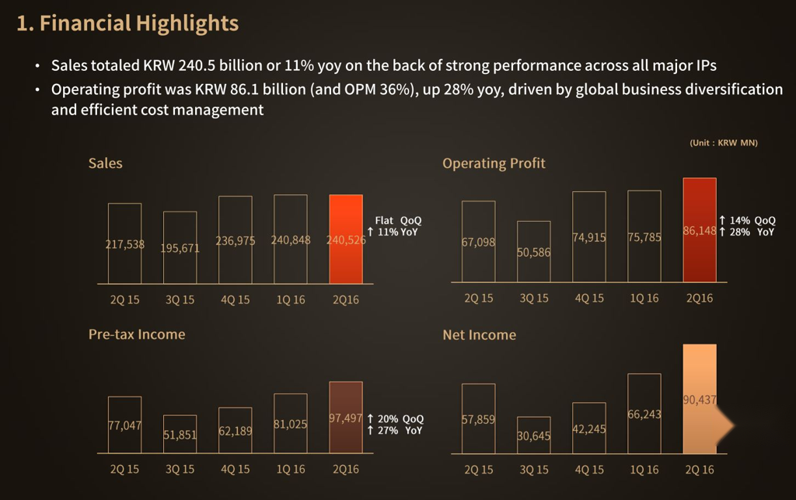
NCsoft's latest quarterly report reveals encouraging trends across its MMORPG portfolio, signaling a positive outlook for the genre. The company experienced an increase in both operating profit and net income compared to the previous quarter and the same period last year, although overall sales remained steady from Q1. This stability is largely driven by the enduring popularity of the Lineage...
Staying current with Mobile Legends: Bang Bang can be challenging due to frequent updates, patches, and the addition of new heroes every few months. Missing out on recent changes might leave players feeling unfamiliar with the evolving meta, and even their favorite heroes can shift from dominant to nerfed after an update. Fortunately, some heroes maintain their relevance regardless of the...

Kollaboration: Honkai & Fate Die lang erwartete Kollaboration zwischen Honkai: Star Rail und dem bekannten Universum Fate/Stay Night wurde kürzlich offiziell bestätigt. Dieses aufregende Event bringt frischen Wind in das Spiel und beinhaltet ein bedeutendes Update, das zahlreiche Neuerungen und Inhalte bereithält. Spieler dürfen sich auf eine spannende Kampagne freuen,...

Top Football Streaming Apps Are you constantly missing important football matches because of a busy schedule or being on the move? In 2025, the answer is right at your fingertips with a range of live football streaming apps designed to keep you connected to the game. Choosing the right app can be overwhelming with so many options available, which is why this guide is here to assist you. After...

Ce mercredi marque la sortie de la douzième équipe de la semaine sur FC 26. Bien que cette sélection ne semble pas exceptionnelle, il faut rappeler que toutes les semaines ne peuvent pas offrir des TOTW spectaculaires. Parmi les joueurs en lice, Karim Benzema, qui a réalisé un triplé lors de son dernier match, pourrait bien être inclus dans la...