

Power Transformers: The Silent Giants Powering Modern Energy Networks
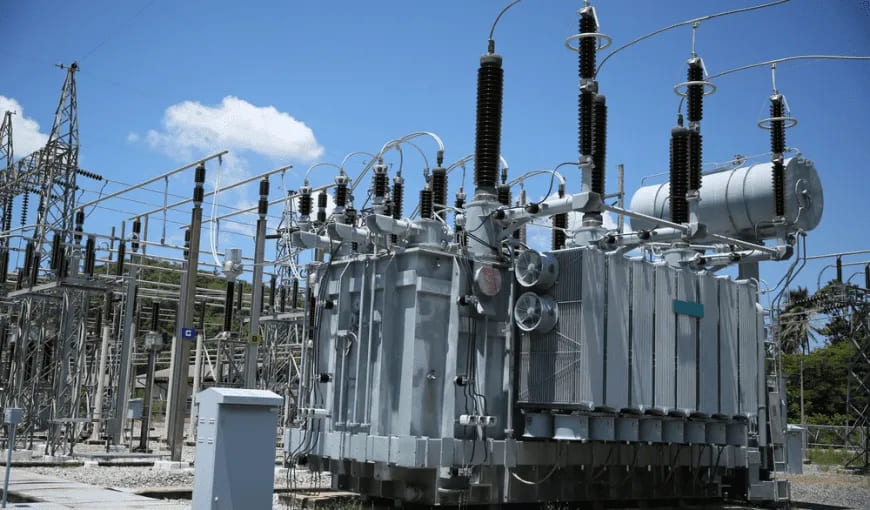
In the world of electrical infrastructure, few components are as essential—or as overlooked—as the power transformer. These massive, silent devices sit at the heart of the global power grid, ensuring electricity can safely and efficiently travel from generating stations to homes, industries, and entire cities. As the energy landscape evolves toward renewable integration, digitalization, and grid resilience, power transformers are becoming more important than ever.
What Is a Power Transformer?
A power transformer is an electrical device designed to transfer electrical energy between circuits through electromagnetic induction. Its primary purpose is to step up voltage for long-distance transmission or step it down for safe distribution and end-user consumption. By adjusting voltage levels, power transformers minimize energy loss and keep the grid stable, efficient, and reliable.
The Backbone of Transmission and Distribution
High-voltage transmission lines rely heavily on power transformers. When electricity is generated, transformers step up the voltage to hundreds of thousands of volts, allowing energy to travel long distances with minimal loss. Near consumption points, transformers reduce voltage again, enabling safe distribution to industries, commercial buildings, and households. Without transformers, the modern grid as we know it simply could not function.
Types and Applications
Power transformers vary widely in size and design depending on their application:
Generator step-up (GSU) transformers connect power plants to transmission networks.
Transmission transformers handle voltage regulation across regional and national grids.
Distribution transformers reduce voltage for local consumption.
Special-purpose transformers support industries like petrochemicals, mining, railways, and data centers.
As electrification expands globally, demand for all categories of transformers continues to grow.
Challenges and the Push for Modernization
Despite their importance, transformers face increasing pressure due to aging infrastructure, rising electricity demand, and the rapid growth of renewable energy sources. Wind and solar generation create variable power flows, which place additional stress on traditional transformers. Utilities now require transformers that can handle dynamic loads, operate more efficiently, and integrate with digital monitoring technologies.
Another key challenge is maintaining transformer health. Since transformers are expensive and difficult to replace, condition monitoring systems, including temperature sensors, dissolved gas analysis (DGA), and smart diagnostics, have become essential. These tools help grid operators detect issues early and extend asset lifespan.
Transformers in the Clean Energy Transition
As nations shift toward renewable energy, power transformers will play a critical role in enabling flexible, resilient, and interconnected grids. New-generation transformers are being designed with:
Higher efficiency cores to reduce losses
Environmentally friendly insulating oils
Smart connectivity for real-time performance data
Enhanced cooling systems to support fluctuating loads
These improvements allow grids to integrate large volumes of renewable energy while maintaining reliability.
The Road Ahead
Power transformers may not be glamorous, but they are indispensable. From supporting global electrification to enabling renewable energy expansion, transformers will continue to shape the future of power systems. As the grid becomes more complex, digitalized, and decentralized, the evolution of transformer technology will remain a foundational element of the energy transition.
Catégories
Lire la suite
The recent update to Brawl Stars has sparked widespread dissatisfaction among its dedicated players. Many feel that the changes unfairly penalize those who have invested significant time and skill into the game, creating a sense of frustration rather than progress. A major point of contention is the new reward system, which appears to favor newcomers over long-standing players. Veteran players...

The latest partnership between PUBG Mobile and Balenciaga has introduced a fresh wave of luxury fashion into the gaming universe, captivating players worldwide. Starting from November 14th and running through December 15th, 2025, this exclusive event features couture-inspired outfits that elevate in-game style to new heights. Balenciaga has expanded its influence beyond digital boundaries by...

Introduction to FC 26 Flashback Items Commemorating Milestone Seasons Active players receive Flashback items as enhanced cards in recognition of their outstanding achievements in previous seasons. These cards serve to highlight memorable performances and major milestones from a player's career. Each Flashback item is designed to celebrate a specific season where the player excelled, honoring...

Cantarella: Versatile Combat Leader As the prominent leader of the Fisalia lineage, Cantarella holds a commanding presence in the realm of Rinascita, commanding respect and attention. Her captivating personality is complemented by her enchanting skills, which are designed to make a memorable impact on her opponents. In Wuthering Waves, she is recognized as a 5-star Havoc Resonator equipped...

In Fortnite, cosmetics are no longer classified by traditional rarities; however, they can still be distinguished by a unique background color within the in-game locker. This color coding indicates if an item belongs to a specific series, such as the Icon Series, Gaming Legends Series, or DC Series. The Icon Series, in particular, has a rich history, having debuted with the Marshmello...